Filtered Coffee Machine The Process Isn't As Hard As You Think
A Guide to Filter Coffee Machines Filter coffee machines provide a rich, satisfying cup of coffee. With the right tools you can enjoy an excellent taste and a process that is gentle on the machine. The most important thing is to ensure that you have the proper equipment and following the guidelines for coffee-to-water ratio grinding, filter placement and timing. This can make a big difference in the quality of your coffee. The water tank 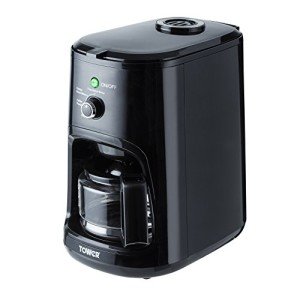 The water tank of the filter coffee machine holds the water that is used to prepare your coffee. It is crucial to make sure you use clean, filtered water in the tank, so that you can get an optimal coffee flavor and brewing experience. The tank is located in the middle or above your filter basket, and the capacity will differ between different models. For example smaller models might only hold water for one cup of coffee at a time, while the larger model can accommodate a carafe or pot. The tank is equipped with an element of heating that is used to heat the water before it is poured over grounds. When the water is heated it is dripped over the coffee beans ground up, picking up the coffee oil and flavorings in the process. Then, it is poured into the pot or carafe, where it is ready to enjoy! When making filter coffee The proportion of water to ground coffee can have a significant impact on the strength and flavor. The recommended ratio is 1:15 for a milder cup, and 1:18 for an even stronger, more robust brew. A digital kitchen scale can allow you to determine the exact amount of coffee and water needed, based on your preferences. It is important to clean your coffee maker with vinegar at the end of each brewing cycle to prevent the build-up of minerals which can cause an unsatisfactory performance and flavor. It's also a good idea to clean the filter basket and filter holder on a regular basis, since they are prone to collecting residue from previous cups of coffee. It is an excellent idea to store the coffee beans in an airtight container that is protected from moisture and light to maintain their freshness. This also helps protect the coffee from oxidation, which can result in bitterness and astringent flavor. The filter basket The filter basket is the container where the coffee grounds are stored and the hot water flows through to extract flavors. The size of the filter basket and its shape could affect the taste of the finished cup. The most common kinds of filter coffee makers are drip coffee makers, percolators, and pour-over systems. Drip coffee makers are among the most popular and have the water reservoir that heats the water and slowly drips it over the ground coffee in the filter basket before collecting it in the carafe below. These coffee makers are usually electrical and can make several cups at once. Percolators which are more conventional, use a copper wire to circulate the water over the coffee grounds in a pot. The water is then poured directly into the cups below. They are typically stovetop, but may also be electric. Pour-over systems make use of an enormous filter cone that holds the coffee grounds while allowing water to flow. This produces a cup of coffee with a flavorful, rich taste. The bigger the basket of the coffee maker, the stronger the flavor will be. Therefore, it is generally advised to fill the filter coffee maker halfway with the grounds for optimal results. Making sure you select a freshly roasted, top-quality coffee that is suitable for the size of your brewing basket is also important. The temperature of the water and the fineness of the grinds will determine how well the filter coffee will make. There are a variety of methods to create various flavors however the most crucial factors are determining the proper grind size and water to coffee ratio and ensuring that the temperature range of brewing is at the right temperature (88degC-92degC) as well as determining the appropriate amount of time to brew for the desired flavor profile. Maintaining a proper cleaning and maintenance schedule for your filter coffee machine is essential to ensure it's functioning properly and avoid mineral deposits that can affect the taste and consistency your filter coffee. Regular cleaning and rinsing can help to extend the lifespan of your coffee maker as well. The brewing process The brewing process is one of the most important aspects of coffee-making. It involves the transformation of coffee beans into a luscious and aromatic beverage. Based on your preference, you can adjust variables such as water temperature, grind size, and brewing time to create the perfect cup. It takes time and practice to master the use of a coffee filter machine. You'll require a grinder for coffee or a pour-over device, as well as a paper filter or reusable one and boiling water to make a cup. First, wash the filter with hot water to eliminate any taste of paper that remains and preheat your brewing device. The coffee grounds should be evenly added and then wash them with hot water. Then, pour a tiny amount of hot water over the grounds to “bloom” them. This step is crucial to release carbon dioxide and gas trapped in the grounds, thus enhancing your drink's flavor. After the coffee has begun to bloom gradually pour the remainder of the hot water over the grounds. Pour the water in a circular fashion to ensure that all grounds are soaked. Place a lid on the carafe and allow it to steep for 4 to 5 minutes. After the brewing process is completed remove the lid and carafe, and serve. In addition to being economical and cost-effective, a filter coffee maker is environmentally friendly. It doesn't require electricity to operate, and it also produces a minimal amount of waste. You can cut down on energy consumption by preheating the water prior to adding it to the machine, and avoiding leaving the machine running for long periods of time, and also cleaning and descaling regularly. Although using a filter coffee machine is simpler than a pod-based machine however, it requires some understanding and attention to detail. To get the best results, you need to choose high-quality coffee beans and follow the proper procedure for brewing. This includes choosing the appropriate grind size and using fresh coffee. It is crucial to understand that different brewing methods have different flavor profiles. Carafes or pots As the water moves through the filter and grounds of coffee is extracted and flavors the beans, leading to an amazing cup of filter-filtered coffee. There are several key elements that affect the taste of filter coffee, which include water temperature, grind size and the the brewing time. It requires some practice and trial and error to master these variables, but it is well worth the effort. Filling the tank with fresh, cold and preferably filtered water is the first step towards preparing a perfect cup filtered coffee. The amount of water required is dependent on the quantity of cups desired, so it's important to use the right measurements. You can do this by examining the measuring lines on your coffee maker or the indicators on the reserve. They will show you the amount of water required for the cups you have selected. After a couple of minutes, it's now time to add the filter and coffee grounds. It's recommended that you use a medium-sized grind to ensure an even extraction and a smooth flavour. The process of pre-wetting the filter is essential prior to adding it to your brewer. This helps remove any taste of paper and also ensures a consistent water flow during the process of brewing. It is also important to level the grounds evenly across the entire surface of the filter. Pouring the water over the coffee grounds is the next step. The amount of water needed varies according to the type of coffee being brewed, so it's important to follow the instructions that came with your machine. Pouring water should be done in a circular motion and you should continue to do this until the grounds of coffee are completely saturated. Filter coffee has a less pronounced flavour than cafetiere-based coffees because it isn't infused with oils which give them a more full taste. Using filters in a coffee maker is an easy and practical way to enjoy a hot cup of coffee. However, coffee drip machine to keep the machine in good condition and follow the recommended descaling schedule. This will help prevent mineral deposits that could negatively affect the flavor and quality of your coffee.